
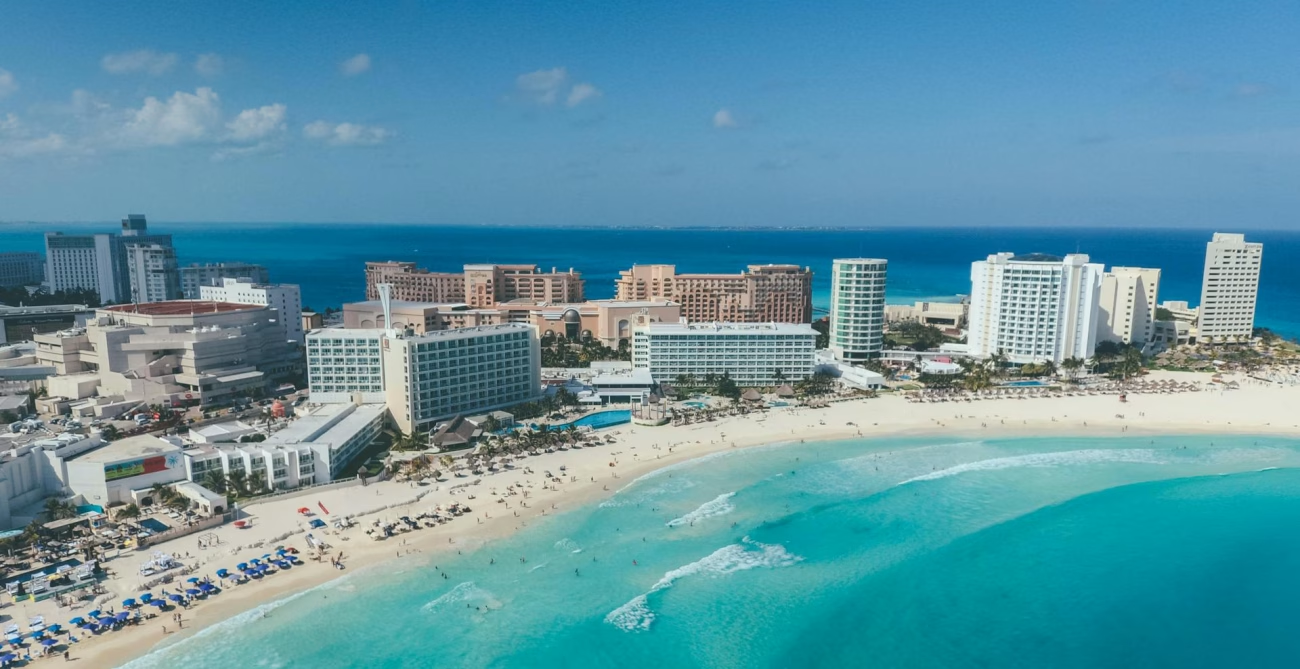
Yes – Cancun is safe for tourists in 2026. The US State Department rates Quintana Roo (Cancun’s state) at Level 2: Exercise Increased Caution – the same level as France, Germany and the UK. TGuard 24/7 rates Cancun at Exercise Caution. The Hotel Zone is heavily policed, with 7,000+ security personnel, dedicated tourist police, and a Tourist Security Battalion. Millions of Americans visit each year without incident.
That said, “safe” doesn’t mean risk-free. The real risks in Cancun are different from the ones that get all the headlines. This guide breaks down what actually matters – what’s safe, what isn’t, and what to do if something goes wrong – using current data from major government travel advisories.
How Cancun Is Rated by Government Travel Advisories
Major government advisories all rate Cancun and the surrounding Quintana Roo state favourably compared to other Mexican destinations:
Government Travel Advisories:
- US Department of State: Level 2 — Exercise Increased Caution
- TGuard 24/7: Exercise Caution
- UK Foreign, Commonwealth & Development Office (FCDO): Most areas safe for travel; specific local cautions noted
- Australian Government Smartraveller: Exercise a high degree of caution (Mexico-wide), with Quintana Roo less restricted than other states
- Global Affairs Canada: Exercise a high degree of caution
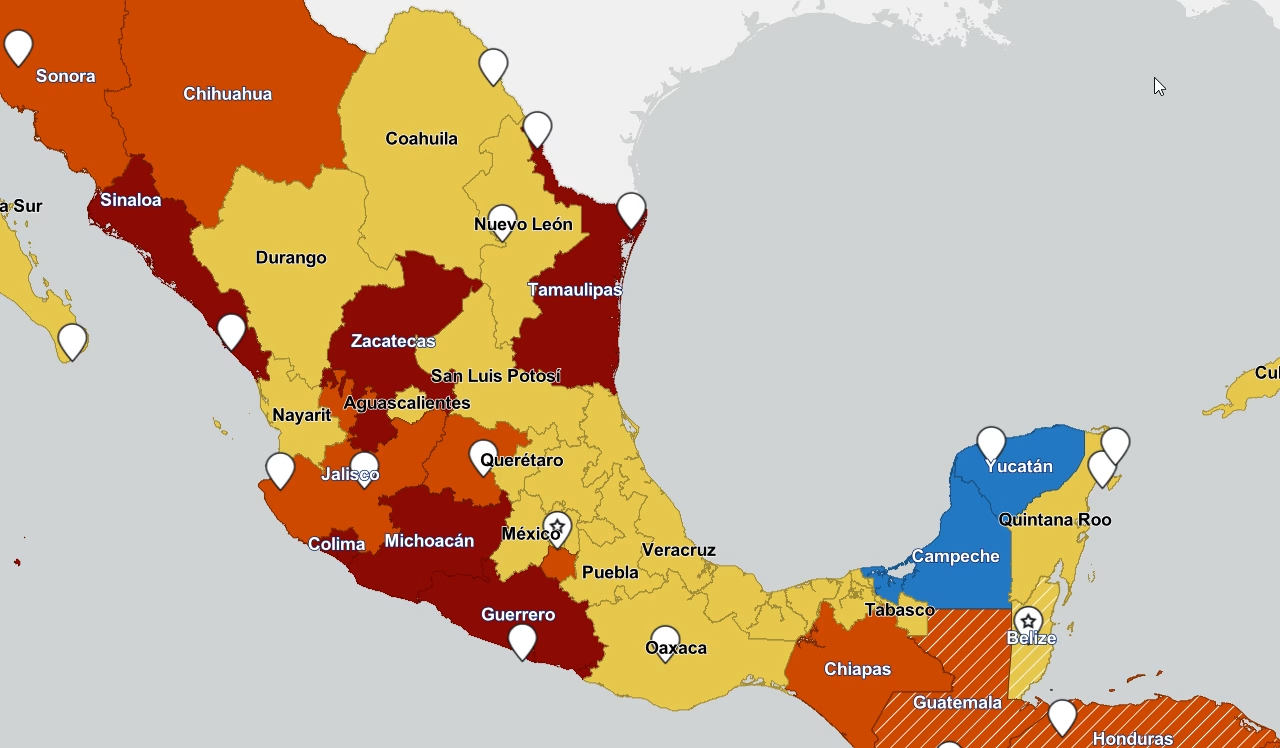
US Department of State – blue area is where Cancun is located
For context, Mexico is a large country with widely varying conditions. Several states — Sinaloa, Colima, Guerrero, Michoacán, Tamaulipas — carry US State Department Level 4 “Do Not Travel” warnings. Quintana Roo doesn’t. The same Level 2 rating Cancun holds applies to many popular European destinations. This is the consistent picture across all four major Western government sources plus TGuard 24/7’s real-time monitoring.
The Hotel Zone (Zona Hotelera) — Where Most Tourists Actually Stay
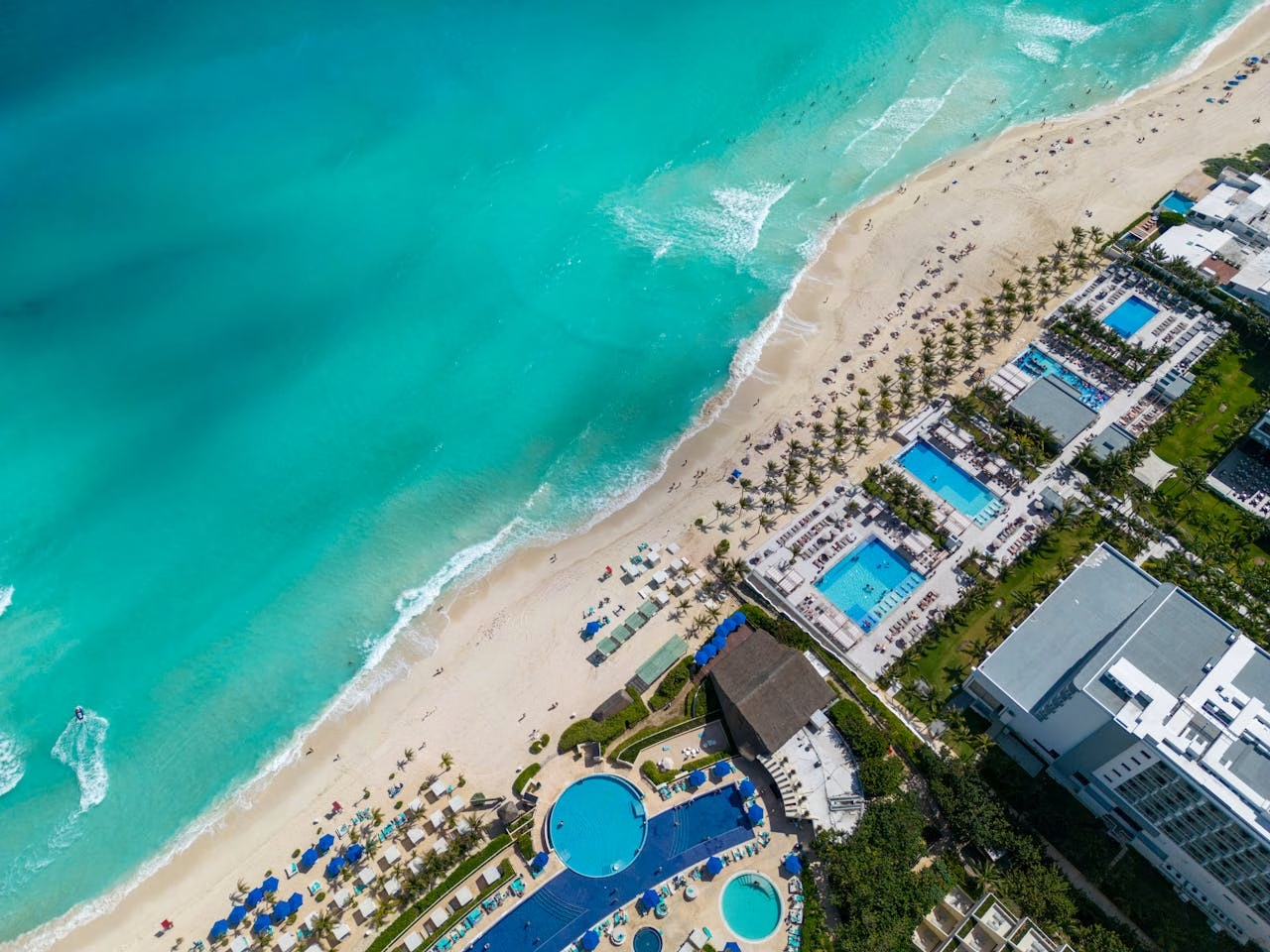
Cancun’s Hotel Zone is a narrow 14-mile (22 km) strip of land between the Caribbean Sea and the Nichupté Lagoon. It’s where nearly all the major resorts, restaurants, beach clubs and nightlife are located, and where most visitors spend the entirety of their trip.
The geography itself contributes to safety. The Hotel Zone is accessible by only two main entry points from the mainland, which makes it a more contained and monitored environment than the rest of Cancun. Mexican authorities have invested heavily in keeping it that way: more than 7,000 security personnel deployed across the region, 70 patrol vehicles with cameras feeding into a central monitoring system, and a Tourist Security Battalion focused specifically on beaches and entertainment zones.
The result is that most visitors report feeling safer in the Hotel Zone than in many American cities. Statistically, that’s accurate. Tourist-targeted violent crime in the Hotel Zone is rare. The everyday concerns are far more mundane: petty theft on crowded beaches, drink overcharging in bars, and counterfeit alcohol at unlicensed venues.
Downtown Cancun (El Centro) and Outlying Areas
Downtown Cancun — locally called El Centro — is the working city where most locals live and work. It’s roughly a 20-minute drive from the Hotel Zone, and it’s fine to visit during the day. Mercado 28, Parque de las Palapas, and Avenida Tulum are popular daytime destinations for tourists wanting to see something beyond the resort strip.
After dark, downtown becomes less recommended for visitors. Some outlying neighbourhoods — Alfredo V. Bonfil and areas outside the immediate resort corridors — report higher property-crime rates and should be avoided at night.
None of this is hidden or contentious; the US State Department’s own assessment of Quintana Roo specifically calls out these contrasts. The practical rule: stay in the Hotel Zone after dark unless you have local knowledge or a guided arrangement.
The Cartel Question – Honest Answer
The most-Googled fear about Cancun is cartel violence, so let’s address it directly.
Cartel activity in Quintana Roo is real. There have been incidents — the 2022 shooting at a beach club in Puerto Morelos, an isolated incident at Tulum’s Playa Paraíso in 2025, and unrest at Cancun airport in February 2026 that briefly disrupted operations.
But the pattern across every incident is the same: the violence is targeted between rival criminal organisations, not at tourists. When tourists have been hurt, it has overwhelmingly been because they were near the location of a targeted attack — not because they were the target. US State Department’s own briefings on Cancun explicitly state that there is no credible intelligence indicating cartels are targeting foreign tourists.
That doesn’t mean nothing ever goes wrong. But statistically, an American tourist is far more likely to be a victim of drink spiking, taxi overcharging, or beach injury than cartel-related violence. Treating cartel risk as the primary danger in Cancun is a media-driven misperception, not a data-driven one. Live monitoring through services like TGuard 24/7 catches incidents the moment they happen — so if conditions shift, you’ll know in real time rather than reading about it afterwards.
Cancun Safety by Traveller Type
Families. Cancun is a strong family destination. Playa Langosta and Playa Tortugas have calmer water than the open-ocean beaches and are well-suited for younger swimmers. Most major resorts have children’s programs and are walking-distance from family restaurants and entertainment. One practical note: car seats aren’t standard in tour vans or taxis in Mexico, so bring your own if travelling with toddlers, or request one when booking transfers in advance.
Solo female travellers. Cancun is generally positive for solo women — particularly within the Hotel Zone. The standard precautions apply: stay in the Hotel Zone at night, use Uber or Cabify rather than street taxis, book group tours for day trips to Tulum or Chichén Itzá, and avoid accepting drinks from strangers. Resort security is significantly more attentive than in most party destinations.
American tourists. US citizens are the largest tourist demographic in Cancun and the entire tourism infrastructure is built around them. The US Consular Agency in Cancun handles routine consular needs; the full US Embassy is in Mexico City. Carry copies of your passport (leave originals in the hotel safe) and know that the US Embassy can help with passport replacement, emergencies and serious incidents.
Spring breakers. Spring break is when most tourist incidents happen — drink spiking, alcohol-related injuries, drug-related arrests, and falls from balconies. If you’re going for spring break, the rules are sharper: never leave drinks unattended, don’t accept drinks from strangers, stay with your group, avoid balcony railings, and absolutely avoid any drug purchases (penalties in Mexico are severe and tourists do go to prison). The Hotel Zone is heavily policed during spring break season for exactly this reason.
Real Risks Tourists Should Actually Plan For
Forget the cartel headlines. These are the risks that actually affect Cancun visitors:
- Drink spiking in clubs and bars. Real and increasing. Watch your drink, never accept open drinks from strangers, and look out for travel companions.
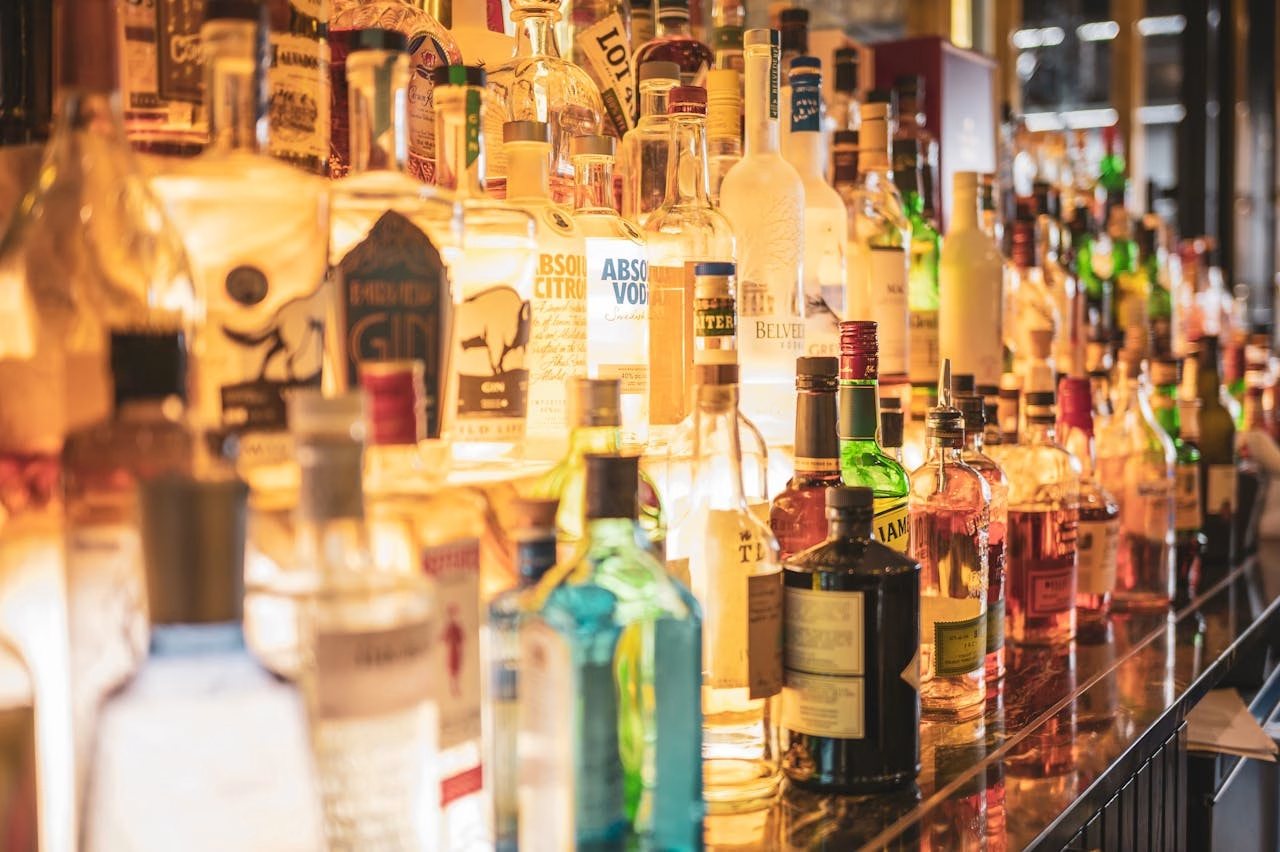
- Counterfeit alcohol / methanol poisoning. Has caused tourist deaths in Mexico. Stick to sealed bottles, branded resort bars, and reputable venues. Be suspicious of unusually cheap spirits.
- Unlicensed taxi scams at the airport. The single most common avoidable problem. Pre-book your airport transfer or use Uber/Cabify. Never accept rides from drivers approaching you in the arrivals hall.
- ATM skimming. Use ATMs inside major banks or shopping malls during the day. Avoid standalone street ATMs.
Beach rip currents. Pay attention to the flag system (green/yellow/red/black). Swim parallel to shore if caught in a current; don’t fight it. - Sargassum seaweed. Seasonal (April–October). Affects beach appearance and water quality. Resorts manage it; check live sargassum maps before booking specific beaches.
- Hurricane season. June through November. Most years pass without incident, but check forecasts and ensure travel insurance includes hurricane cancellation coverage.
- Petty theft. Crowded beaches, public buses, and tourist markets. Standard awareness — don’t leave bags unattended, keep electronics secure.
Getting Around Cancun Safely
The single highest-impact safety decision in Cancun is how you handle transport — particularly the airport.
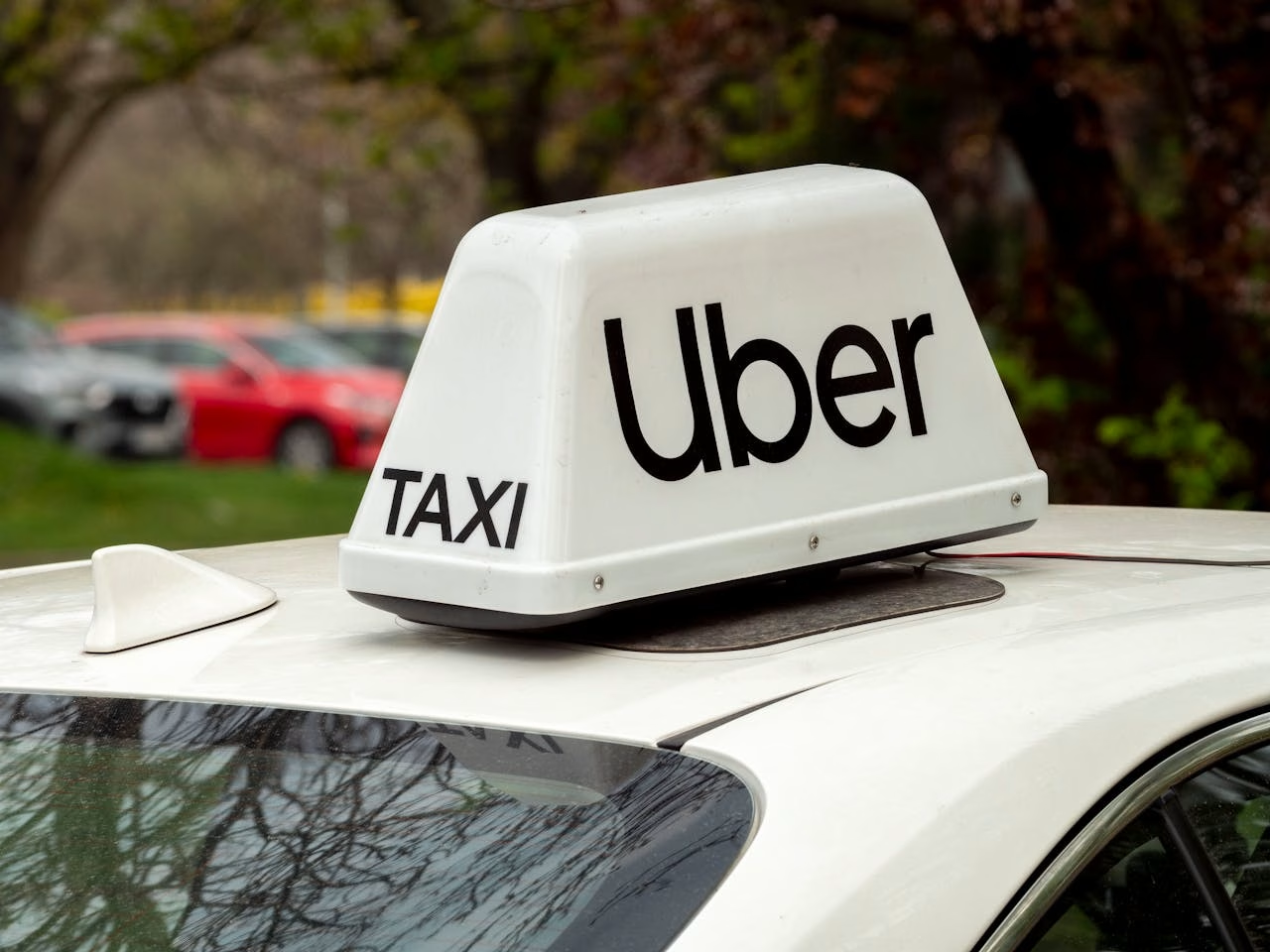
Airport transfers. Pre-book a transfer through a verified provider before you fly. The mob of taxi touts in the arrivals hall is where most avoidable problems start. Unlicensed drivers may charge three to five times the legitimate rate and use pressure tactics (“the card reader is broken — cash only”) to extract more.
Uber and Cabify. Both are operational in Cancun and both are explicitly endorsed by the US Embassy. Pricing is upfront, drivers are tracked, and there’s no negotiation. Use these in preference to street taxis.
ADO buses. The official inter-city bus network is safe, well-maintained, and the standard option for day trips to Playa del Carmen, Tulum, Mérida, and elsewhere. First-class ADO services are comparable to a US Greyhound.
Rental cars. Pros: flexibility for cenote-hopping and exploring beyond the tourist circuit. Cons: aggressive police checkpoints sometimes target foreigners for minor “infractions” that turn into bribe demands, and Cancun parking can be difficult. If you do rent, take full insurance and document the vehicle thoroughly at pickup.
Day trips. For Chichén Itzá, Tulum, and major cenote excursions, guided tours are safer than DIY. You eliminate transport and navigation as variables and benefit from the operator’s local relationships.
Health and Medical in Cancun
Tap water: Not safe to drink anywhere in Mexico. Use bottled water for drinking and brushing teeth. Hotels and established restaurants use purified water for ice and food preparation; that’s fine.
Food safety: Resort and reputable restaurant food is generally safe. Stomach issues are most often caused by street food from unknown vendors or unwashed fresh produce.
Vaccinations: No special vaccinations are required for Cancun. Routine vaccinations should be current.
Mosquitoes: Bring repellent, particularly for evenings and any inland excursions. Dengue is present in southern Mexico and Quintana Roo, though risk for typical Hotel Zone visitors is low.
Travel insurance: Strongly recommended. US health insurance generally provides limited or no coverage abroad. Buy a policy covering medical treatment, emergency evacuation, and trip cancellation. Hurricane coverage is worth specifying for summer trips.
Hospitals. The Hotel Zone has two reliable 24-hour hospitals with English-speaking staff: Hospital Galenia (Avenida Tulum) and Hospiten (Boulevard Kukulcán). Both are accustomed to treating international visitors.
What to Do in an Emergency
If you use the Travel Smart app, you have click to call all of these numbers within the app.
- Emergency number: 911 (works throughout Mexico)
- Cancun Tourist Police (Policía Turística): +52 (998) 885-2277
- US Consular Agency Cancun: +52 (998) 883-0272
- US Embassy Mexico City (after hours): +52 (55) 8526-2561
- UK Embassy Mexico City: +52 (55) 1670-3200
- Canadian Embassy Mexico City: +52 (55) 5724-7900
- Australian Embassy Mexico City: +52 (55) 1101-2200
If your passport is lost or stolen: File a police report (the tourist police can help in English), then contact your country’s consulate. The US Consular Agency in Cancun can issue emergency travel documents within 1–2 business days.
If you’re a victim of a crime: Report to the tourist police rather than regular municipal police if possible — they’re specifically trained to assist visitors and most speak English.
Download the Travel Smart app so you have these numbers just in case – in a real emergency, you don’t want to be looking them up.
Cancun Safety FAQ
Is Cancun safe to visit right now?
Yes. Cancun holds a US State Department Level 2 advisory — the same as France, Germany and the UK. TGuard 24/7 rates it Exercise Caution. The Hotel Zone is heavily policed and millions of tourists visit each year without incident. Standard precautions apply, but Cancun has a consistent and well-documented safety record for international visitors.
Is Cancun safe for American tourists?
Yes. Americans are the largest tourist demographic in Cancun and the entire infrastructure is built around them. The US Consular Agency in Cancun and the US Embassy in Mexico City provide consular support if needed. Resort areas are particularly well-prepared for American visitors.
Is the Hotel Zone safe at night?
Yes. The Hotel Zone has dedicated tourist police, private resort security, and active nightlife monitoring well into the early hours. Use common sense, stay with your group, and use app-based transportation rather than walking long distances late at night.
Is Cancun safe from the drug cartel?
For tourists, effectively yes. Cartel activity in Quintana Roo is real but is overwhelmingly directed between rival criminal organisations, not at tourists. The US State Department explicitly states there is no credible intelligence indicating cartels target foreign visitors. Live monitoring services like TGuard 24/7 detect incidents in real time if conditions change.
Is Cancun safe for families?
Yes. Playa Langosta and Playa Tortugas offer calmer beaches suitable for children. Most resorts have children’s programs and family-focused services. Bring your own car seat if travelling with toddlers — they aren’t standard in Mexican tour vans.
Is Cancun safe for solo female travellers?
Yes, with standard precautions. Stay in the Hotel Zone at night, use Uber or Cabify, book group tours for excursions, and never leave drinks unattended. The Hotel Zone is generally a positive environment for solo women.
Is Uber safe in Cancun?
Yes. Uber and Cabify are explicitly endorsed by the US Embassy in Mexico, are widely used by tourists, and offer fixed pricing with driver tracking. They are the preferred alternative to street taxis.
Is Cancun safe during spring break?
Generally yes, but with heightened attention to alcohol, drink-spiking, and accidental injury risks. Stay with your group, never leave drinks unattended, avoid balcony railings, and absolutely don’t purchase drugs — Mexican penalties are severe.
Is it safe to fly to Cancun?
Yes. Cancun International Airport (CUN) is one of the busiest in Latin America with strong security. The high-risk moment is the arrivals hall, where unlicensed taxi touts approach travellers. Pre-book your transfer to avoid this.
Live Cancun Safety Monitoring — How Travel Smart Helps
Cancun’s safety picture isn’t static. Hurricanes form during summer. Cartel-related incidents flare and subside. Civil unrest happens — the February 2026 disruption at Cancun airport caught many travellers by surprise. Conditions change, sometimes by the hour.
The Travel Smart App’s TGuard 24/7 monitoring tracks Cancun and the broader Quintana Roo region continuously. Subscribers get push notifications the moment something material changes — a security incident, hurricane warning, transit disruption, or advisory level shift. One-tap dialling connects you to local emergency services and your home country’s embassy from anywhere in Mexico.
For first-time visitors and frequent travellers alike, knowing that somebody is actively watching for problems on your behalf — so you can focus on enjoying the trip — is the difference between hearing about an incident afterward and being able to adjust your plans before walking into it.
Download Travel Smart and travel Cancun with confidence.
This guide draws on official advice from the US Department of State, the Australian Government’s Smartraveller, the UK Foreign, Commonwealth & Development Office, Global Affairs Canada, and TGuard 24/7 monitoring. Always verify current conditions with official sources before travel.